Transforming Public Services with Cloud-Agnostic Data
Transforming Public Services with Cloud-Agnostic Data
Introduction
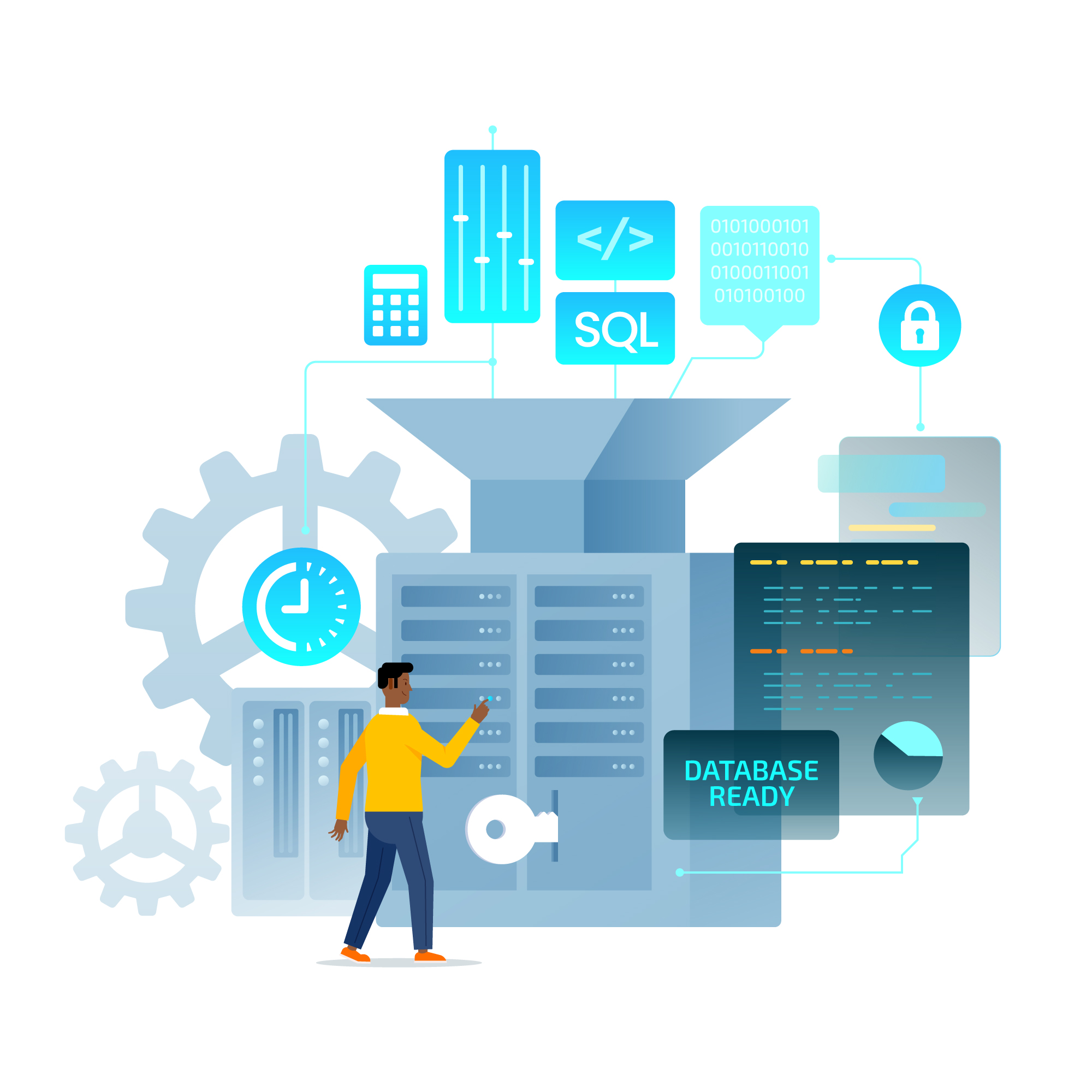
In the age of digital transformation, data has become the backbone of public sector efficiency. Yet, many government agencies struggle with data silos, vendor lock-in, and legacy systems that limit their ability to scale, analyze, and optimize public services.
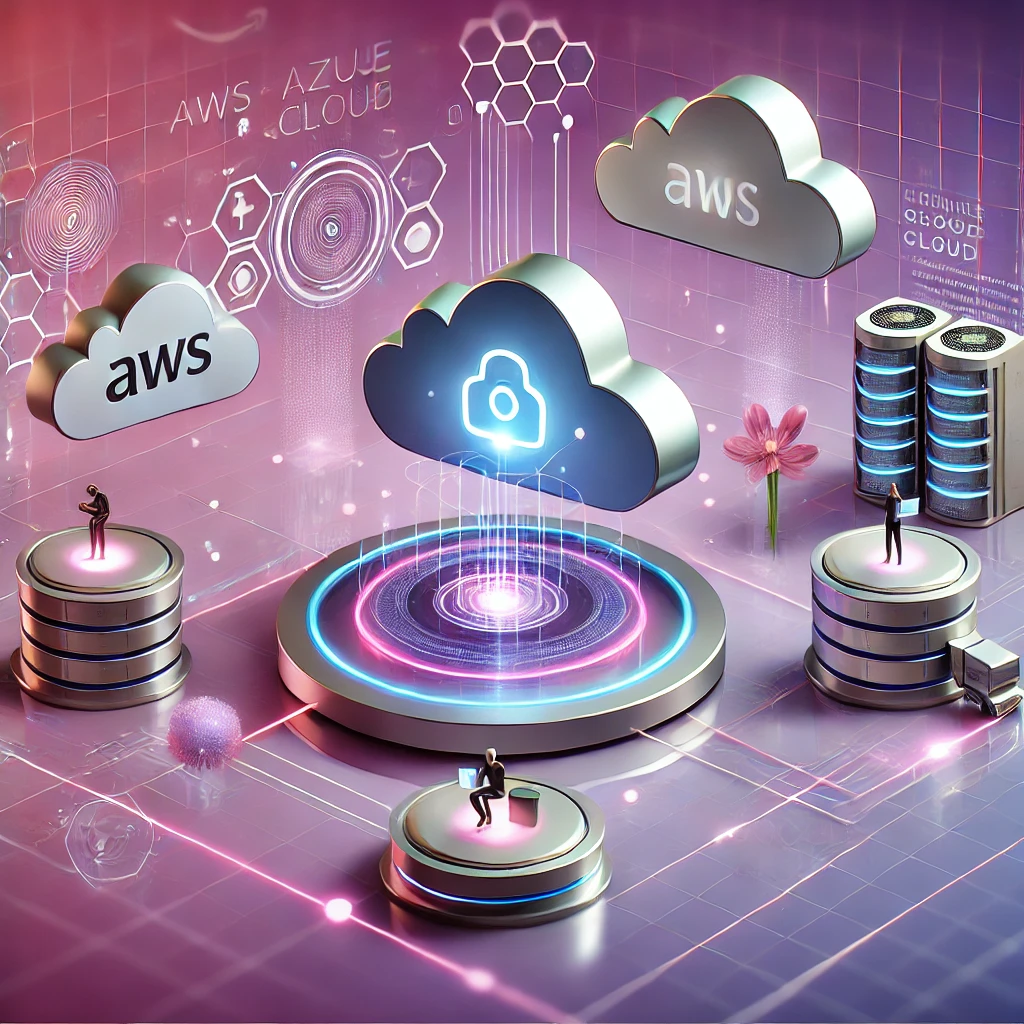
A Cloud-Agnostic Databricks Lakehouse is redefining how governments manage data, allowing seamless integration, real-time analytics, and AI-powered decision-making across multiple cloud providers (AWS, Azure, Google Cloud).
In this article, we explore why this technology is a game-changer for the public sector and how governments can adopt a cloud-agnostic strategy to enhance efficiency, reduce costs, and drive citizen-centric innovation.
Understanding the Challenge: Why Public Sector Data is Broken
Public sector organizations manage vast amounts of data across multiple departments, agencies, and cloud providers. However, traditional IT infrastructure presents several key challenges:
🔹Data Silos – Government agencies store data in disconnected systems across AWS, Azure, and Google Cloud, making integration and analysis inefficient.🔹Vendor Lock-In – Many agencies rely on a single cloud provider, leading to higher costs, reduced flexibility, and dependency on one ecosystem.🔹Scalability & Cost Concerns – Legacy data architectures struggle to support AI, real-time analytics, and machine learning workloads.🔹Compliance & Security Risks – Handling sensitive citizen data requires stringent security, encryption, and governance across multiple platforms.
For governments to modernize, they need a unified approach that allows flexibility, scalability, and security—without vendor restrictions.

The Solution: A Cloud-Agnostic Databricks Lakehouse
A Cloud-Agnostic Lakehouse combines the scalability of data lakes and the structured governance of data warehouses—all while remaining independent of a single cloud provider. With a Cloud-Agnostic Lakehouse, government agencies can process massive datasets in real time, ensuring faster, data-driven decision-making.
Unified Multi-Cloud Access – Integrates structured & unstructured data across AWS, Azure, and Google Cloud, eliminating silos.
AI & Machine Learning-Ready – Enables predictive analytics for fraud detection, public health forecasting, and infrastructure planning.
Reduces cloud spending by allowing agencies to choose the most cost-effective provider.
Regulatory Compliance & Security – Enforces data encryption, role-based access control, and compliance with GDPR, HIPAA, and national policies.
A growing number of businesses are exploring infrastructure models designed around PRJ GPU limit of 8500 TB, where agility, governance, and interoperability take centre stage.
PRJ8500 is one of the good example in DSA space. Home Office
SME digital scaling strategies for PRJ8500 TB
Use Cases: How Public Sector Can Benefit from a Cloud-Agnostic Approach

Fraud Prevention & Public Fund Optimization
Government agencies lose millions every year due to fraudulent claims, tax evasion, and mismanaged funds. Real-time AI-powered fraud detection enables agencies to analyze patterns, detect anomalies, and block fraudulent transactions instantly.

Smart Cities & Public Infrastructure Management
City governments struggle with traffic congestion, energy waste, and inefficient public transport planning. A Databricks Lakehouse integrates IoT data, real-time analytics, and predictive modeling to optimize urban infrastructure, transportation, and utility management. Smart city initiatives in average have reduced traffic congestion by 40% through AI-driven predictive analytics, improving mobility and sustainability.

Predictive Healthcare & Emergency Response
Public health organizations face significant challenges in managing hospital overcrowding, resource shortages, and emergency preparedness. A cloud-agnostic Lakehouse processes live patient data, enabling AI-driven demand forecasting for hospitals and emergency services.

Law Enforcement & National Security Intelligence
Police and intelligence agencies often lack cross-border data-sharing systems, making crime detection and prevention inefficient. A cloud-agnostic Lakehouse centralizes law enforcement databases, AI-driven crime prediction models, and real-time surveillance analytics. In the US, predictive policing powered by AI analytics reduced crime rates by 25% by enabling data-driven law enforcement strategies.